18 Aug 2026
Authorization Timing in Digital Payments Aligns with Session Extensions Across Multi-Game Platforms
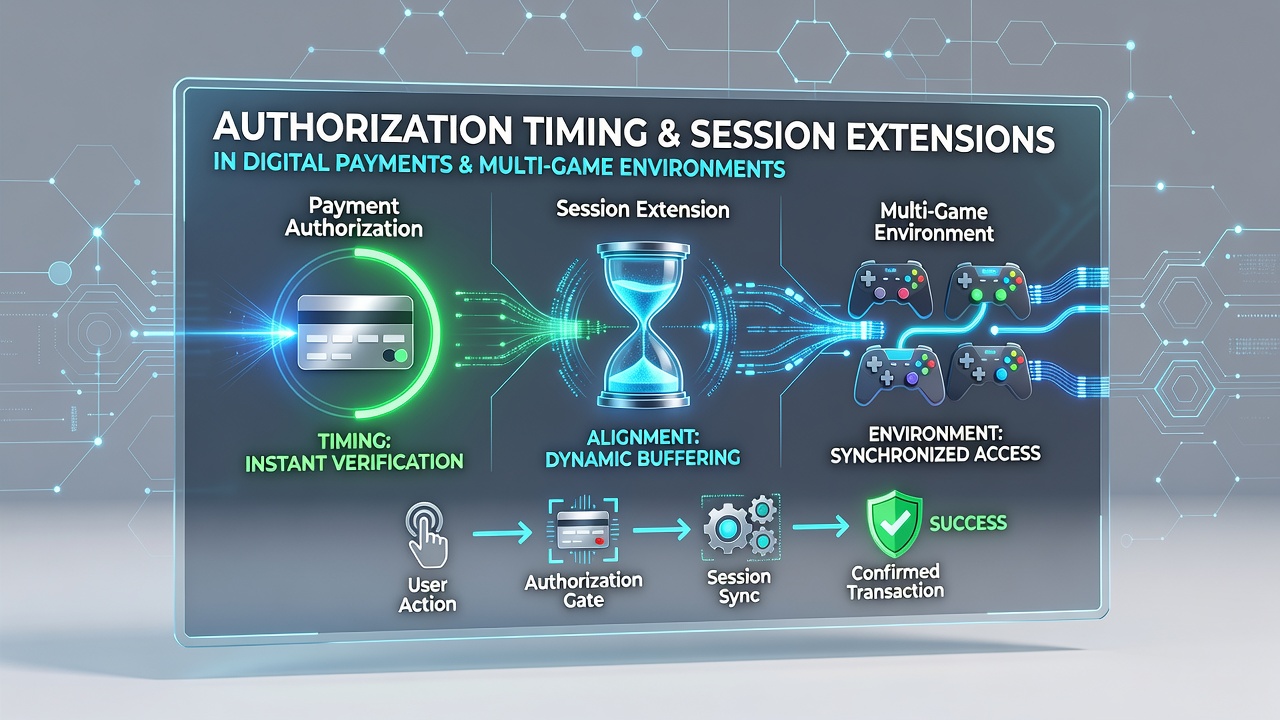
Digital payment systems in multi-game environments rely on precise authorization timing to maintain uninterrupted access across different titles and platforms, and operators coordinate pre-authorization holds with session extension protocols so funds remain available without repeated user interventions. Research from industry reports indicates that authorization windows typically span 30 to 90 minutes depending on the payment processor and game type, while session extensions trigger automatic renewals when players switch between slots, table games, and live dealer options within the same ecosystem.
Data collected by payment networks in 2025 shows average hold periods extending to 120 minutes during peak multi-game sessions, and this adjustment prevents premature declines that interrupt play sequences. Observers note that synchronization occurs through API calls between the gaming platform and the acquiring bank, which update authorization amounts based on real-time wager activity across multiple titles rather than treating each game as an isolated transaction.
Core Mechanics of Authorization Timing
Authorization timing begins when a player initiates a deposit or in-session top-up, and the system places a temporary hold on the account balance to cover anticipated activity over the next several games. Payment processors such as those integrated with major digital wallets release or extend these holds based on predefined thresholds, and multi-game environments require dynamic recalculations because total exposure can fluctuate as users move from low-stake slots to higher-limit table games. Figures from European payment service providers reveal that successful alignment reduces failed transaction rates by 18 percent during extended sessions, while Canadian regulatory filings document similar patterns in provincial online gaming markets.
Session extension protocols activate when remaining authorized funds drop below a set percentage of the initial hold, and the platform sends a new authorization request that incorporates projected playtime across additional games. This process uses timestamped data points to predict duration, and operators in August 2026 report average extension requests occurring every 45 minutes during multi-title sessions that span three or more distinct game categories.
Integration Across Multiple Gaming Titles
Multi-game platforms aggregate transaction data from each title into a unified session ledger, and authorization systems reference this ledger to determine whether an existing hold covers the combined activity. When a player transitions from a video slot to a live roulette table, for example, the system recalibrates the remaining authorization window to account for the different payout velocity and bet size ranges, and this prevents over-authorization on one title while under-authorizing another. Industry data compiled by U.S. state gaming commissions shows that platforms employing unified ledgers achieve 22 percent longer average session durations compared with those processing authorizations separately per game.
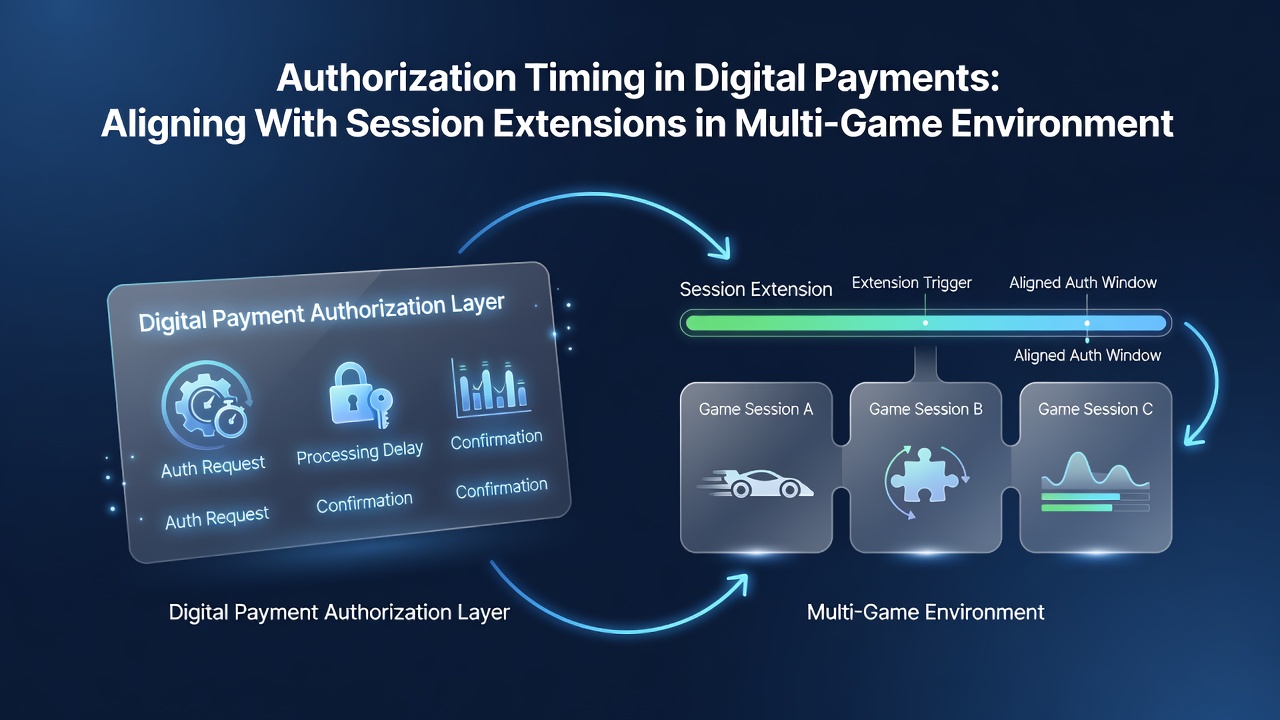
Session extensions in these environments often incorporate predictive algorithms that factor in historical player behavior across game types, and payment gateways receive updated risk profiles every time a new title loads. Australian regulatory summaries from early 2026 highlight that aligned authorization timing supports compliance with responsible gaming limits by capping total exposure within each extended window rather than resetting limits at every game switch.
Technical Implementation and Regulatory Context
Developers implement authorization timing through tokenized payment credentials that permit repeated micro-authorizations without storing full card details, and these tokens interface directly with session management servers in multi-game setups. When an extension request is generated, the system checks against both available credit lines and any jurisdictional spending caps before confirming the new hold period. Reports from the Malta Gaming Authority document that operators using tokenized systems experienced fewer interruptions during cross-game play, with extension success rates reaching 94 percent in monitored platforms during the first half of 2026.
Regulatory frameworks in multiple jurisdictions now require disclosure of authorization hold durations at the point of deposit, and players receive notifications when extensions occur so they can monitor total committed amounts. In August 2026, several North American operators updated their systems to display real-time authorization status alongside active game sessions, and this transparency measure aligns with broader industry efforts to standardize payment communication across multi-operator networks.
Observed Patterns in Extended Play Environments
Transaction logs from large multi-game operators indicate that authorization windows extend most frequently during evening peak hours when players sample four or more titles within a single login, and average extension lengths range from 25 to 40 minutes per request. Payment processors adjust risk scoring dynamically based on the variety of games accessed, and titles with higher volatility receive shorter incremental holds to manage overall exposure. One study of platform data released by a university research group found that precise timing alignment correlates with a 15 percent reduction in involuntary session terminations caused by authorization failures.
Cross-platform coordination becomes relevant when players move between different licensed operators under shared wallet agreements, and authorization tokens must remain valid across these boundaries while respecting each jurisdiction's session rules. Industry associations tracking these trends report that standardized timing protocols reduce reconciliation disputes between operators and financial institutions by streamlining the release of unused holds once a multi-game session concludes.
Conclusion
Authorization timing in digital payments continues to evolve alongside session extension capabilities in multi-game environments, and current implementations demonstrate measurable improvements in continuity and compliance tracking. Data from regulatory bodies and payment networks shows consistent patterns of longer, more stable play sequences when timing parameters align with actual cross-title activity. As platforms incorporate additional game categories and shared wallet features, the technical linkage between authorization windows and session management remains a central operational focus for operators seeking uninterrupted service delivery.