24 Jul 2026
Examining Authorization Sequence Mapping to Threshold Requirements in Multi-Platform Digital Wallet Systems
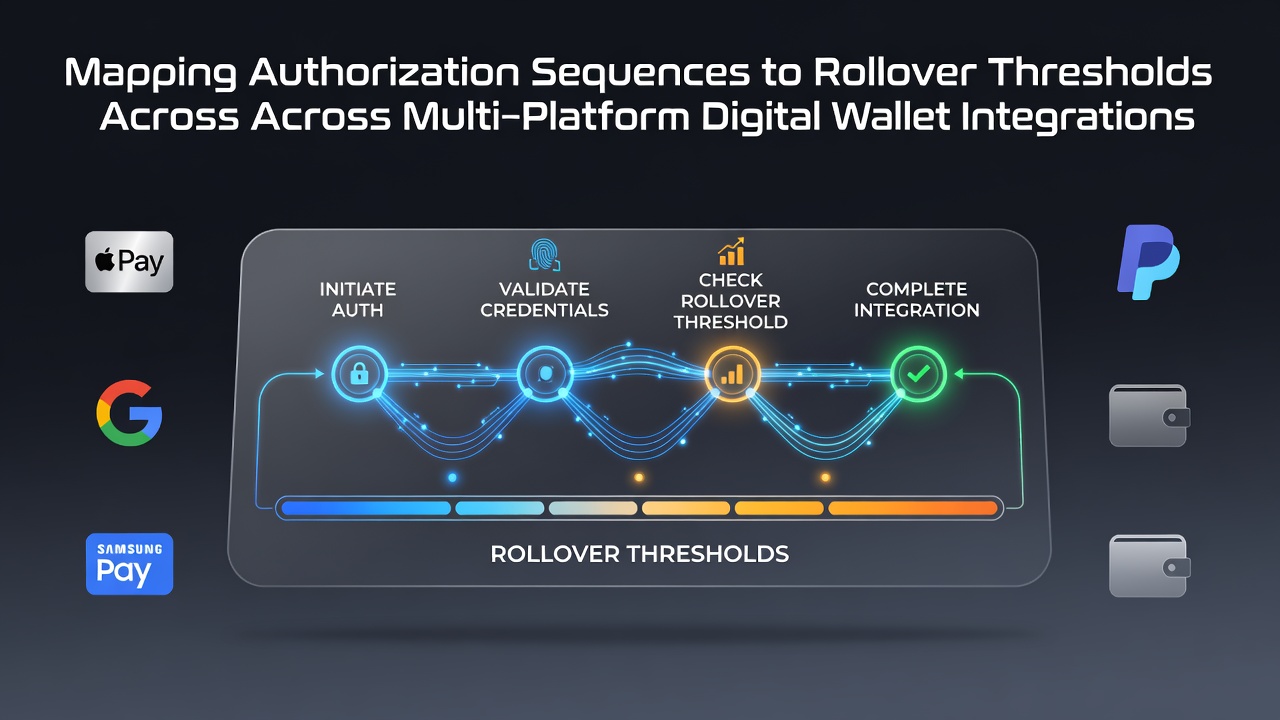
Authorization sequences in digital wallet environments follow structured protocols that begin with user authentication and proceed through token generation, API validation, and settlement confirmation, while rollover thresholds represent predefined benchmarks that determine when accumulated transaction values trigger additional processing steps or compliance checks. Observers note that mapping these sequences to thresholds requires precise alignment of data fields across platforms so that each authorization step corresponds directly to cumulative value calculations maintained in real time.
Core Components of Authorization Sequences
Payment networks establish authorization sequences through a series of messages exchanged between the wallet provider, acquiring bank, and card network, and these exchanges capture details such as merchant category codes, transaction amounts, and device identifiers. Data from industry analyses shows that successful mapping occurs when each message element feeds into a centralized threshold engine capable of comparing running totals against operator-defined limits without introducing latency that exceeds standard processing windows of under two seconds.
Developers integrate webhook listeners at key points in the sequence to capture authorization responses and forward them to threshold calculation modules, while database schemas store both the raw authorization records and the derived threshold status in separate but linked tables. Research indicates that platforms using event-driven architectures achieve higher consistency in threshold tracking because updates propagate immediately rather than through batch jobs scheduled at fixed intervals.
Rollover Threshold Mechanisms Across Platforms
Rollover thresholds operate by resetting or advancing based on completed authorization cycles, and multi-platform setups demand that the same threshold logic applies uniformly whether the transaction originates from a mobile app, web interface, or embedded SDK. Figures released by payment standards organizations reveal that mismatches arise most frequently when one platform applies currency conversion before threshold evaluation while another performs the conversion afterward, creating discrepancies in reported values.
Integration Patterns in July 2026 Deployments
By July 2026 several wallet providers had updated their integration layers to support unified threshold schemas that accommodate both fiat and tokenized asset flows, and these updates incorporated standardized JSON payloads for threshold status queries. Engineers working on cross-platform projects discovered that embedding threshold metadata directly within authorization response objects reduced the number of additional API calls required for status verification by approximately 40 percent according to internal benchmarks shared at industry conferences.
Those who maintain large-scale wallet infrastructures emphasize the importance of idempotency keys in authorization requests because duplicate submissions can artificially inflate threshold counters if not properly deduplicated at the mapping layer. Case studies from North American fintech operators illustrate how implementing composite keys combining merchant reference, timestamp, and device fingerprint prevented such inflation during high-volume promotional periods.
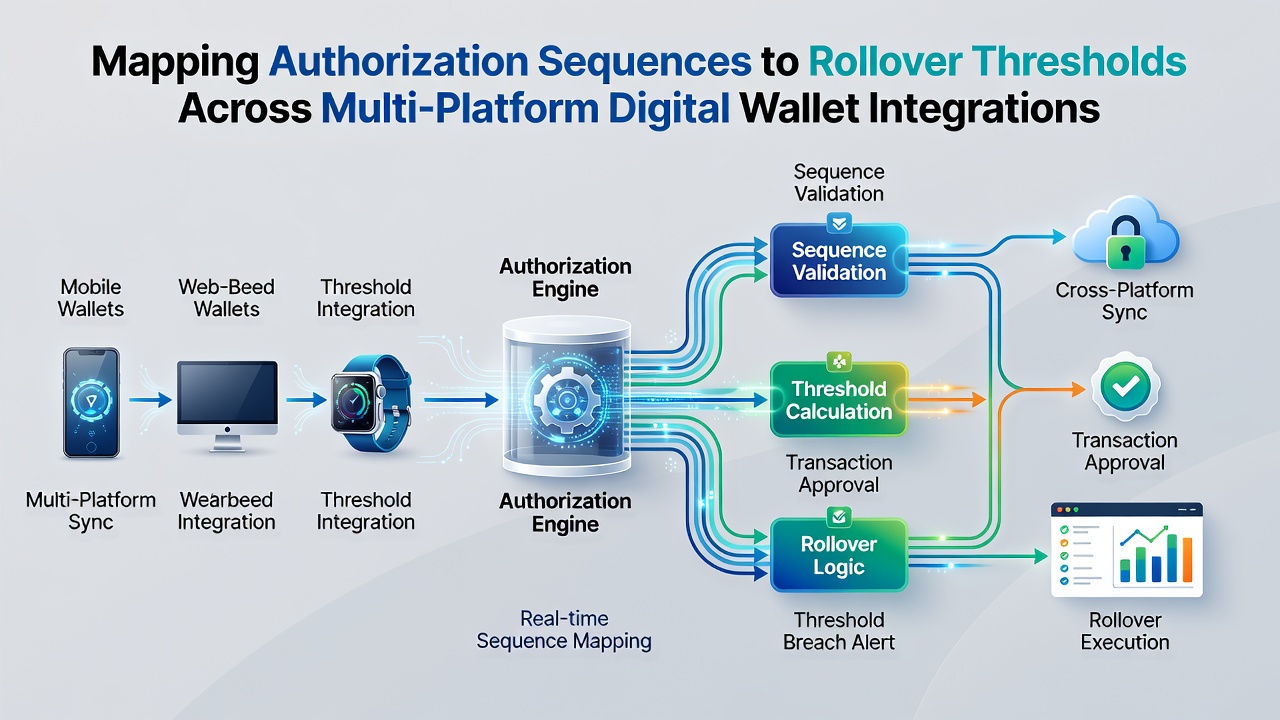
Technical Challenges and Observed Solutions
Latency introduced by cross-platform lookups remains a persistent concern, yet solutions such as in-memory caches synchronized through distributed consensus protocols have demonstrated reliable performance in production environments. According to reports from the Federal Reserve payments research division, systems that cache threshold states with sub-second refresh intervals maintain accuracy rates above 99.5 percent even during peak transaction volumes recorded in early 2026.
Security considerations require that threshold mapping logic reside behind authenticated service boundaries, and encryption of threshold values in transit and at rest follows guidelines published by standards bodies including the Payment Card Industry Security Standards Council. Observers have documented instances where insufficient access controls allowed unauthorized queries to retrieve partial threshold data, prompting operators to adopt role-based permission models tied to each authorization sequence step.
Data Flow and Reporting Requirements
Reporting modules pull mapped authorization and threshold records into aggregated views that support regulatory submissions and internal reconciliation processes, and these views often combine data from multiple wallet instances through federated query engines. European payment service providers participating in the Single Euro Payments Area have implemented common reporting formats that include explicit fields for threshold status at the moment each authorization completes, thereby simplifying audits across borders.
Academic studies published by university research centers focusing on distributed ledger applications have examined how threshold mapping behaves when wallet transactions settle on public blockchains versus traditional rails, and findings indicate that on-chain confirmation times introduce variability that must be accounted for in threshold reset logic. Operators address this variability by maintaining shadow ledgers that record provisional threshold updates pending final settlement confirmation.
Conclusion
Mapping authorization sequences to rollover thresholds across multi-platform digital wallet integrations depends on consistent data structures, real-time synchronization mechanisms, and rigorous validation at each processing stage. Evidence from regulatory filings and technical implementations continues to guide refinements in these systems as transaction volumes and platform diversity expand through 2026 and beyond.