19 Jul 2026
Integrating Stablecoin Settlement Windows with Tiered Cashback Refresh Mechanisms Across Networked Platforms
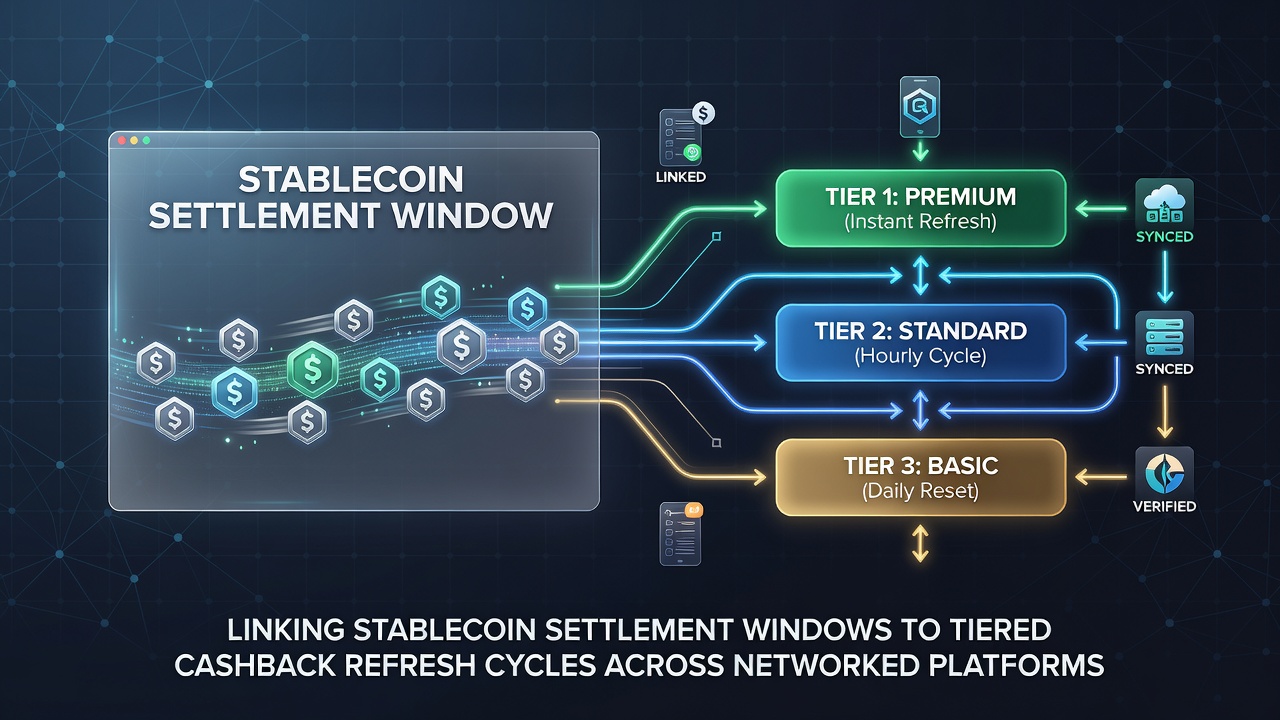
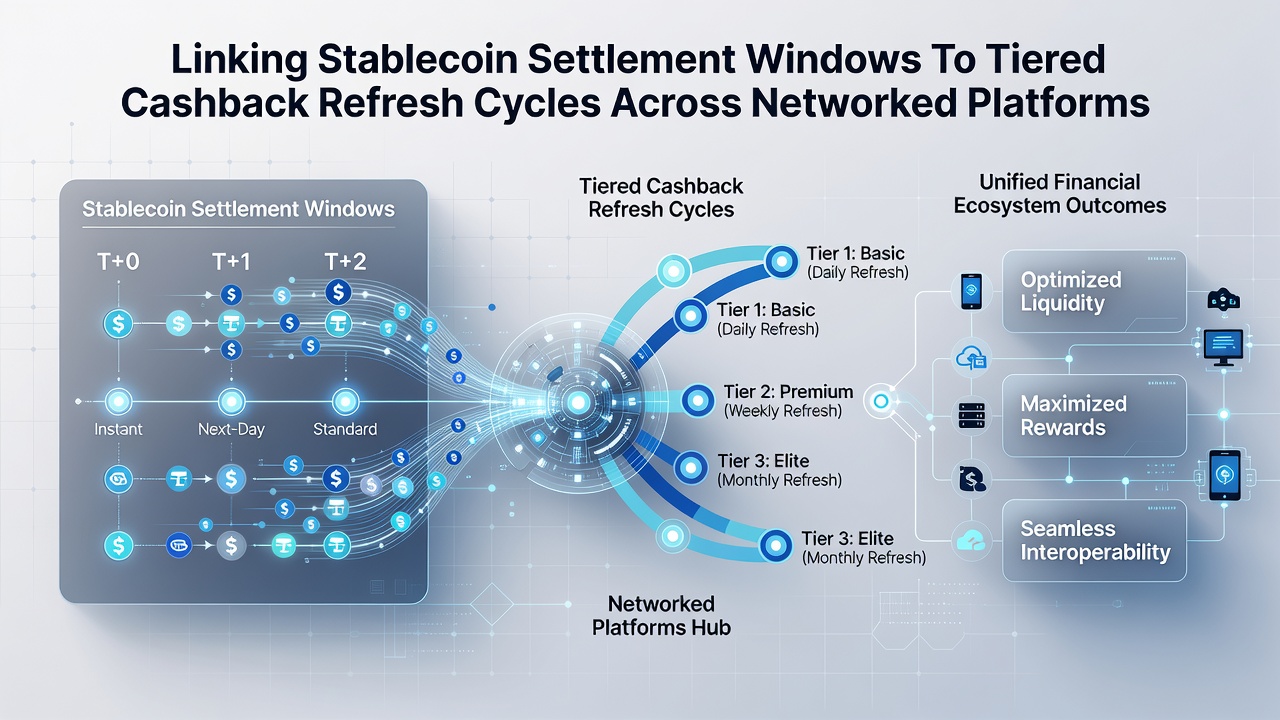
Stablecoin settlement windows define the precise intervals during which blockchain confirmations finalize transfers between accounts, and operators now coordinate these periods directly with tiered cashback refresh cycles that reset reward eligibility across multiple connected platforms. Networked environments allow a single transaction to influence cashback tiers on several sites simultaneously because data sharing protocols transmit settlement confirmations in real time. Research from financial technology institutes shows that platforms adopting synchronized timing reduce latency between deposit completion and reward activation by measurable percentages.
Core Components of Settlement Timing
Stablecoins operate on public ledgers where block finality determines when funds become spendable, and settlement windows typically span from several minutes on high-throughput chains to longer periods on networks with variable congestion. Operators map these windows to cashback systems by programming refresh events to trigger immediately after confirmation thresholds pass. Data from industry reports indicate that platforms tracking on-chain timestamps achieve higher accuracy in tier assignments compared with systems relying on off-chain batch processing.
Multiple operators participate in shared ledgers that broadcast settlement events to all connected sites at once, which eliminates discrepancies that once occurred when each platform verified transactions independently. In July 2026 several regional networks implemented unified timestamp standards that further tightened alignment between settlement and reward cycles.
Tier Structures and Refresh Logic
Cashback tiers function through progressive thresholds where higher deposit volumes unlock elevated percentages, yet these percentages only activate after each refresh cycle completes. Refresh cycles operate on fixed intervals that platforms now anchor to stablecoin settlement events rather than arbitrary calendar dates. According to analyses published by payment system researchers, this anchoring prevents situations where users reach new tiers only to discover their cashback has not yet reset.
Networked platforms exchange tier status through encrypted APIs that update within seconds of settlement confirmation, allowing a user who deposits on one site to immediately qualify for enhanced rates elsewhere in the network. Observers note that this cross-site visibility depends on standardized data fields for both settlement time and cumulative volume.
Technical Integration Across Platforms
Developers embed smart contract listeners that detect settlement finality and forward the event to a central reward engine responsible for recalculating cashback tiers. The engine then pushes updated eligibility data back to every participating platform before the next user session begins. Studies conducted by university blockchain laboratories demonstrate that such listener-based architectures cut processing overhead compared with polling methods that check settlement status at regular intervals.
Security protocols require cryptographic proof of settlement before any tier change occurs, which guards against premature reward activation on unsettled transactions. Operators maintain audit logs that record both the blockchain timestamp and the exact moment each cashback refresh executed, creating traceable records for compliance reviews.
Operational Patterns Observed in 2026
Platforms that adopted these linkages reported consistent alignment between deposit timing and reward availability, particularly during periods of high transaction volume. European Central Bank publications on digital asset infrastructure highlight how timestamp synchronization supports orderly processing across borders. In practice, a deposit confirmed at 14:23 UTC triggers refresh events at 14:24 UTC on every linked platform, provided the network latency remains within defined parameters.
Additional case examples from North American operators show that staggered settlement windows on different chains require custom mapping tables so each cashback engine recognizes the correct confirmation point. These tables update dynamically when chain parameters change, such as adjustments to block intervals or validator sets.
Regulatory and Compliance Considerations
Financial regulators in multiple jurisdictions now request detailed logs showing how settlement events correspond to cashback activations, and operators respond by exporting timestamped records that match on-chain data with internal reward histories. A report issued by the Monetary Authority of Singapore outlines expectations for transparent linkage between digital asset movements and customer reward systems. Compliance teams verify that no tier elevation occurs before final settlement, which reduces exposure to disputes over unconfirmed funds.
Cross-border networks add another layer because settlement finality rules vary by jurisdiction, requiring platforms to apply the strictest standard when determining refresh eligibility. Industry associations track these variations and publish updated guidelines that help operators maintain consistent practices.
Conclusion
The practice of anchoring tiered cashback refresh cycles to stablecoin settlement windows continues to expand across networked platforms as operators refine their technical mappings and compliance procedures. Data exchange standards and cryptographic verification methods support accurate, simultaneous updates that affect multiple sites from a single transaction event. Ongoing developments in timestamp protocols and regulatory reporting frameworks shape how these systems evolve through 2026 and beyond.