26 Jul 2026
Matching ACH Processing Periods to Seasonal Bonus Amplifiers in Licensed Gaming Networks Spanning Multiple Jurisdictions
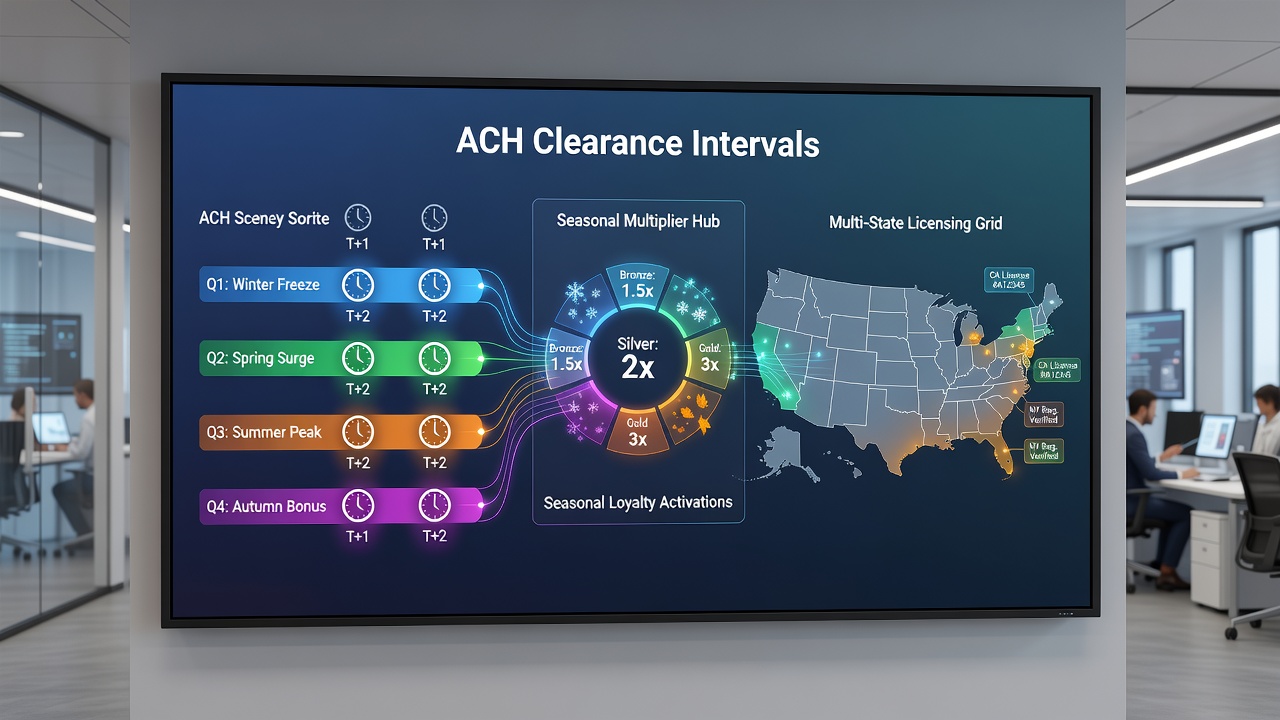
Operators managing licensed platforms across several states coordinate ACH clearance intervals with seasonal loyalty multiplier activations to maintain consistent player engagement while meeting varying regulatory requirements. ACH transfers typically clear within one to five business days depending on the financial institution and transaction type, and platforms align these windows with multiplier events tied to holidays, sports seasons, or regional promotions. Data from payment processors shows that synchronization reduces failed reward postings and supports compliance with state-specific banking rules.
Core Mechanics of ACH Clearance in Gaming Environments
ACH networks process electronic funds transfers through the Federal Reserve system, where operators initiate deposits or withdrawals that settle according to standard NACHA operating rules. Platforms in states such as New Jersey, Pennsylvania, and Michigan track clearance timelines because loyalty multipliers activate only after funds post to player accounts. Research from the American Gaming Association indicates that operators who map these intervals in advance experience fewer interruptions during peak promotional periods. Those who have studied transaction logs note that weekend or holiday banking delays can shift effective activation dates by up to 72 hours, prompting preemptive scheduling adjustments.
Seasonal Loyalty Multiplier Structures Across Jurisdictions
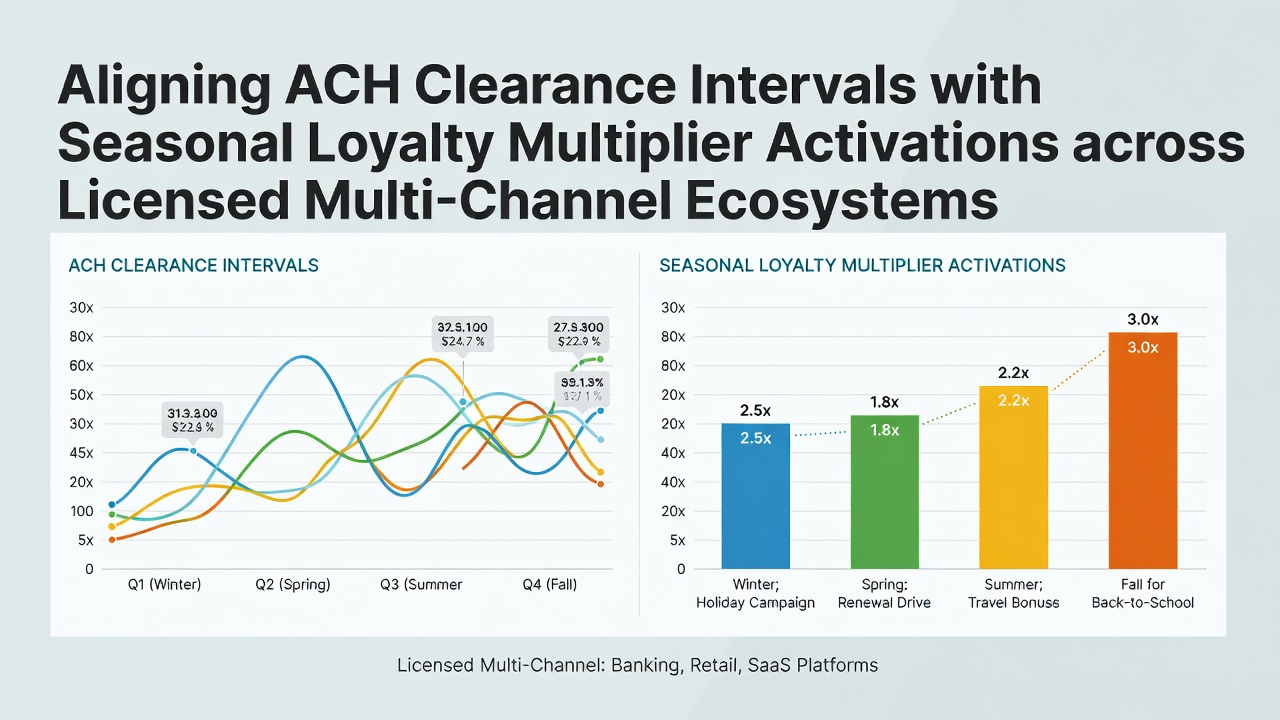
Seasonal multipliers increase reward accrual rates during defined windows, such as summer travel promotions or end-of-year celebrations, and licensed operators activate them only after confirming ACH settlement. In July 2026, several multi-state platforms reported coordinated rollouts where clearance intervals aligned with mid-summer travel multipliers, resulting in measurable uptake in player retention metrics tracked by state regulators. Platforms differentiate multipliers by jurisdiction because rules in one state may require separate approval for promotional increases while another permits automatic activation once funds clear. Observers note that operators maintain separate calendars for each licensed market to avoid cross-contamination of promotional terms.
Technical Synchronization Approaches
Developers integrate ACH status APIs with loyalty management systems so that multiplier triggers activate automatically once settlement confirmation arrives. This linkage allows platforms to schedule activations around predictable clearance patterns, such as next-day processing for certain bank partnerships. One study of payment flows revealed that platforms using real-time monitoring reduced the average delay between deposit and multiplier eligibility from 48 hours to under 24 hours in participating states. Experts have observed that batch processing during low-volume overnight windows further aligns clearance with early-morning multiplier launches, minimizing player wait times.
Regulatory Considerations and Compliance Requirements
Each state maintains distinct oversight of both payment processing and promotional offerings, requiring operators to document how ACH intervals intersect with multiplier terms. The Nevada Gaming Control Board requires detailed reporting on the timing of promotional fund availability, while Michigan's regulatory framework emphasizes verification that multipliers apply only to cleared balances. Platforms therefore maintain audit trails that record exact settlement timestamps alongside multiplier activation logs. Data shows that proactive alignment reduces compliance queries during routine examinations conducted by state agencies.
Implementation Examples from Licensed Operators
Platforms operating in three or more states have adopted centralized dashboards that display clearance forecasts alongside seasonal calendars for each jurisdiction. In one documented rollout, an operator adjusted its ACH batch schedule to complete before a Labor Day multiplier window, ensuring that deposits initiated mid-week became eligible for the enhanced rewards. Another case involved coordination with regional banks to prioritize gaming-related ACH files during peak seasonal periods, shortening average clearance by one business day in two of the four licensed markets. Figures reveal that such adjustments correlated with higher player participation rates during the targeted promotional windows.
Challenges and Operational Adjustments
Bank holidays, state-specific processing cutoffs, and varying weekend rules introduce variability that operators must anticipate when planning multiplier activations. Systems that fail to account for these differences can produce situations where players in one state receive multipliers while others wait for funds to post. Platforms respond by building buffer periods into their calendars and maintaining direct communication channels with ACH originators. Research indicates that operators who incorporate these buffers maintain higher consistency across multi-state deployments.
Conclusion
Coordinating ACH clearance intervals with seasonal loyalty multiplier activations enables licensed multi-state platforms to deliver promotions reliably while satisfying regulatory expectations. Operators rely on API integrations, detailed calendars, and jurisdiction-specific buffers to achieve alignment. Available data from 2026 illustrates measurable improvements in transaction timing when these practices are applied consistently across markets. Continued refinement of these processes supports both operational efficiency and compliance across expanding interstate gaming networks.