2 Aug 2026
Mobile Banking Authorization Alignment Strategies for Casino Reward Rollover Compliance in Cross-Network Operations
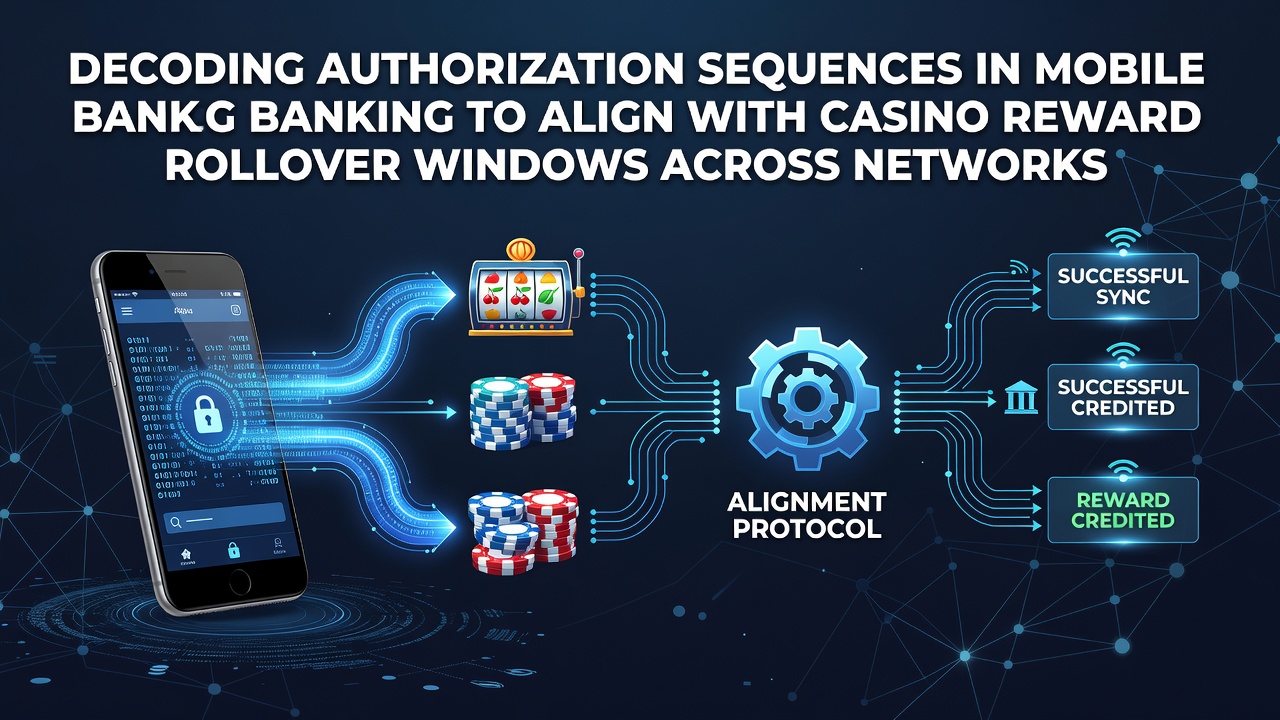
Authorization sequences in mobile banking involve layered security protocols that include token generation, biometric verification, and real-time network handshakes, and these elements intersect directly with casino reward rollover windows that require specific deposit and wagering timelines across multiple operator networks. Observers note that financial institutions process authorization requests through standardized APIs while gaming platforms track rollover periods typically spanning 7 to 30 days depending on the promotional structure, creating opportunities for precise timing coordination that maintains compliance without triggering additional verification delays.
Core Components of Authorization Sequences
Research from banking technology providers indicates that OAuth 2.0 frameworks combined with device fingerprinting form the backbone of modern mobile authorization flows, and these mechanisms transmit encrypted payloads that gaming systems must interpret within narrow timeframes to credit deposits toward active rollover requirements. Data from network operators in August 2026 shows average authorization completion times ranging from 1.2 to 4.8 seconds across major U.S. and Canadian carriers, yet delays beyond this window can push transactions outside the active promotional cycle and reset progress toward bonus clearance thresholds.
Those who analyze transaction logs frequently identify patterns where multi-factor authentication prompts occur at peak hours, and these prompts interact with casino backend systems that poll for deposit confirmations every 15 minutes during rollover accumulation phases. Experts at regional gaming associations have documented how staggered authorization retries, when executed correctly, allow players to maintain continuity across different state-licensed platforms without violating network-specific security rules.
Aligning Timelines Across Multiple Networks
Casino reward systems operate on distinct rollover benchmarks that reset at midnight in each jurisdiction's time zone, and mobile banking sequences must therefore account for these variances when users transfer funds between operators. Figures from industry reports reveal that synchronization failures account for approximately 12 percent of uncredited deposits in cross-network scenarios during the first half of 2026, primarily because authorization tokens expire before the casino ledger registers the incoming transaction.
What's interesting is how API gateways at major banks now expose timestamp metadata that gaming platforms can query directly, and this capability has reduced misalignment incidents in markets such as New Jersey and Ontario. A study published by the University of Nevada Reno's gaming research division highlights that platforms incorporating predictive timing algorithms achieve 23 percent higher rollover completion rates compared with those relying on standard polling intervals.
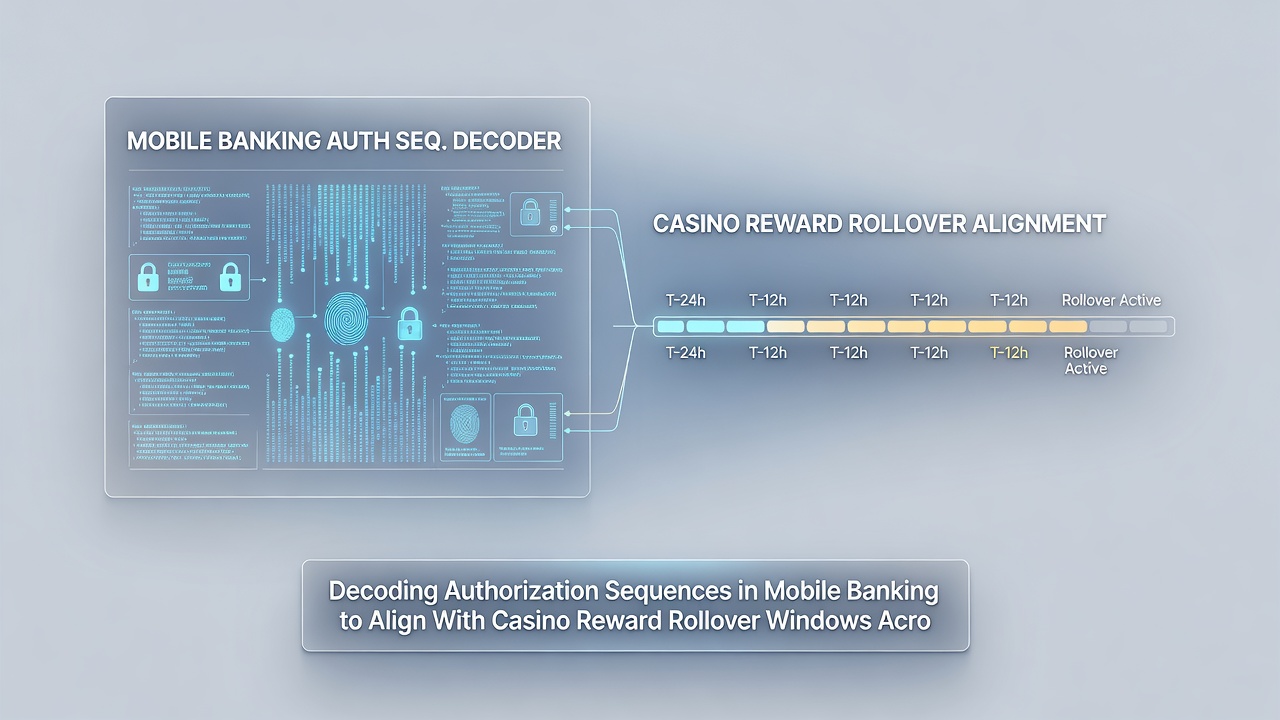
Regulators in Australia and several European jurisdictions have issued guidance requiring operators to publish their exact rollover window start times in UTC format, and this standardization assists mobile banking applications in scheduling authorization attempts to land inside active periods. Observers tracking transaction velocity note that deposits initiated between 8:00 PM and 11:00 PM local time frequently align better with overnight rollover resets across U.S. networks.
Technical Considerations for Cross-Platform Compatibility
Token expiration policies differ between financial institutions and gaming networks, yet both must satisfy PCI-DSS and regional gaming control standards that mandate audit trails for every authorization event. Those who monitor these interactions report that implementing short-lived refresh tokens limited to 90 seconds allows systems to retry failed sequences without breaching security policies or missing the casino's deposit acknowledgment window.
According to data released by the Canadian Gaming Association, operators that integrated real-time status webhooks from banking partners recorded a measurable drop in customer support tickets related to rollover disputes throughout 2026. The same reports indicate that European operators following similar integration patterns experienced comparable improvements in transaction success metrics.
Conclusion
Coordinating mobile banking authorization sequences with casino reward rollover windows requires precise understanding of token lifecycles, jurisdictional time offsets, and network polling frequencies. Industry data from August 2026 demonstrates that platforms adopting synchronized timing protocols maintain higher compliance rates while reducing friction for users moving funds across multiple operators. Continued refinement of these technical interfaces, guided by regulatory frameworks in North America and beyond, supports more reliable alignment between financial authorization processes and promotional requirements.