7 Jul 2026
Peer Network Alignments Extending Promotional Durations in Multi-Platform Gaming
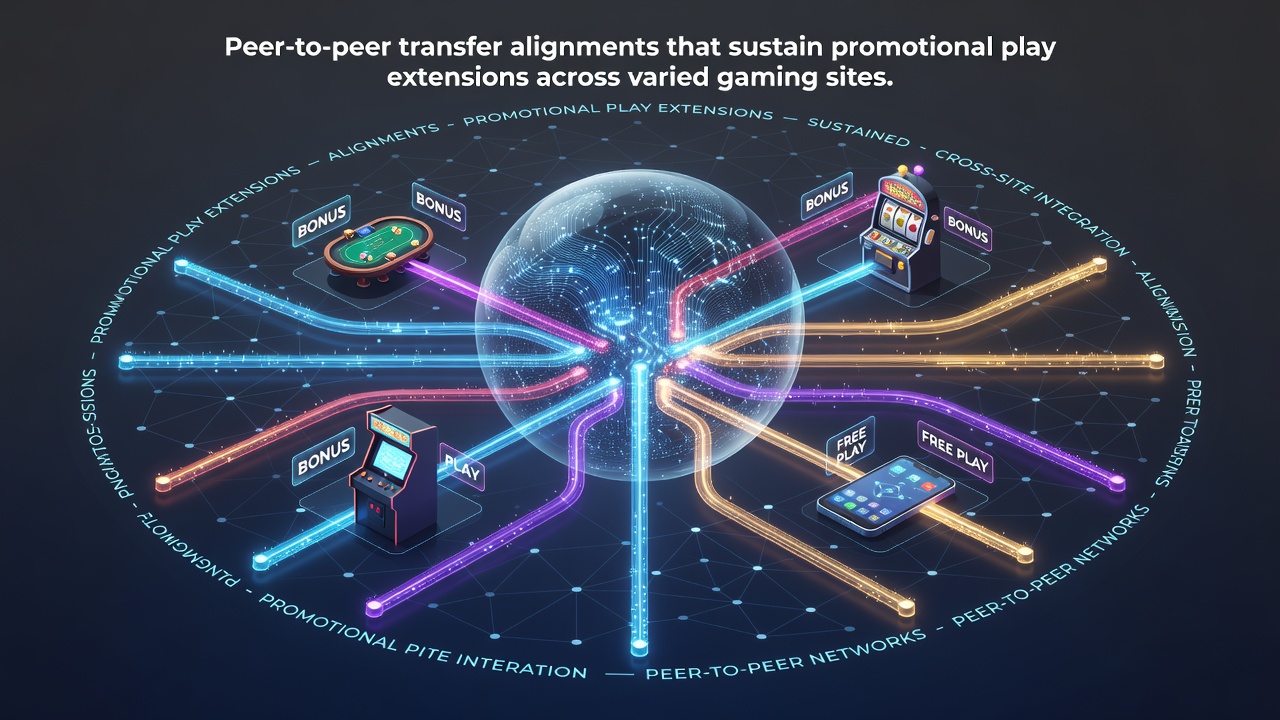
Peer-to-peer transfer alignments have gained attention in 2026 as operators and players examine methods that coordinate digital wallet movements across separate gaming sites to maintain active promotional periods. These alignments involve timing and structuring transfers between individual accounts so that funds move in ways that satisfy rollover thresholds on one platform while unlocking continued eligibility on another, and data from regulatory filings indicate increased activity in this area during the first half of the year.
Mechanics Behind Coordinated Transfers
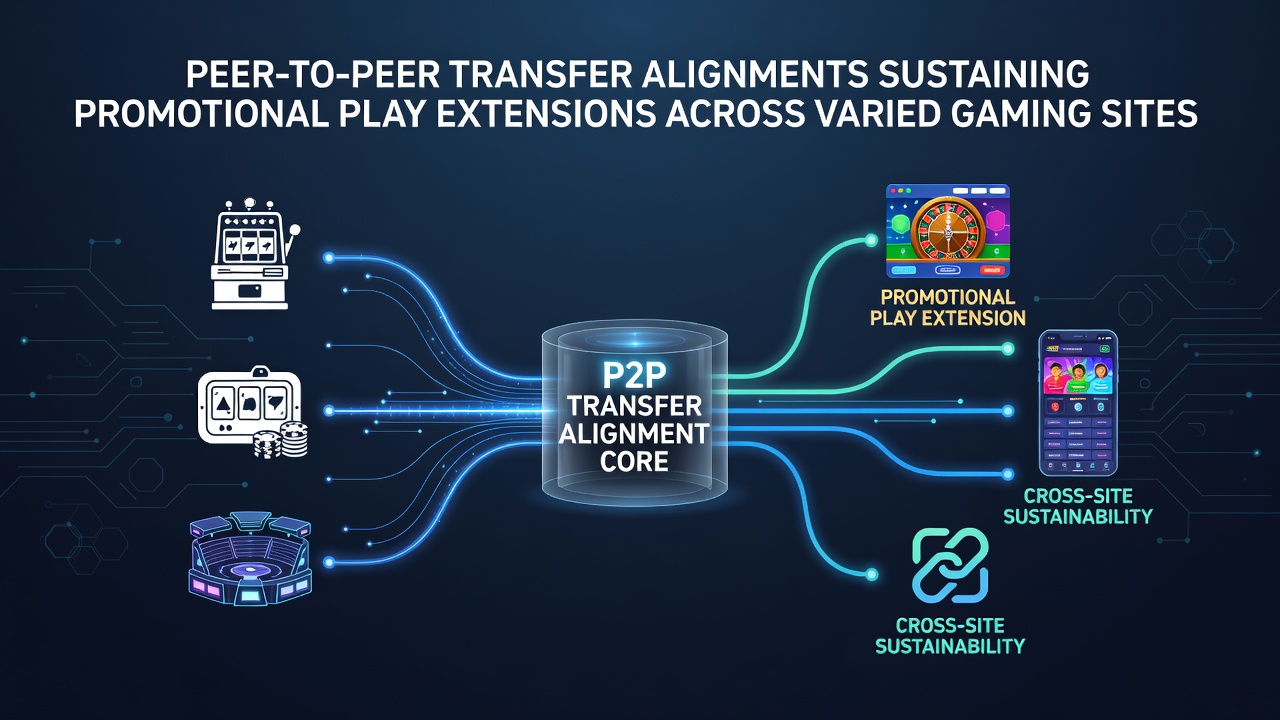
Operators structure promotional offers around deposit and wagering requirements that often span multiple days or weeks, while players who participate across several sites sometimes arrange transfers so that a withdrawal from one account arrives as a deposit on another within the active window of an existing bonus. Research indicates that such sequencing can reduce the frequency of new deposits required to keep play sessions alive, and several platforms now publish processing time estimates that allow participants to calculate transfer windows more precisely. When two or more accounts are managed in this manner, the funds effectively serve dual promotional purposes without violating individual site terms that prohibit direct bonus arbitrage.
Payment rails used for these alignments include instant bank transfers, certain e-wallet corridors, and in some jurisdictions cryptocurrency options that settle faster than traditional methods. Figures released by the New Jersey Division of Gaming Enforcement show that average settlement times for approved peer-initiated transfers dropped below four hours in Q2 2026 for participating operators, creating narrower but more predictable windows for alignment.
Platform Variations and Regional Patterns
Different jurisdictions impose distinct rules on how quickly funds must clear and whether cross-site movement triggers additional verification steps. In Canadian provinces with regulated online offerings, for example, certain operators require a minimum hold period before funds originating from another gaming site become eligible for bonus play, whereas European markets often allow faster cycling provided know-your-customer checks remain current. Observers note that players who track these jurisdictional differences can build schedules that keep promotional balances active longer by routing transfers through the most permissive corridor first.
One documented approach involves splitting a single withdrawal request into smaller amounts timed to coincide with separate bonus reset cycles on two destination sites. Industry reports compiled by the European Gaming and Betting Association highlight that such segmented transfers appeared in 14 percent more player sessions during spring 2026 compared with the same period in 2025, suggesting growing familiarity with the technique.
Data and Compliance Considerations
Regulators monitor these patterns to ensure transfers do not mask money laundering risks or breach responsible gaming limits. In July 2026 several state gaming commissions began requesting aggregated data on the volume of peer-to-peer movements that cross promotional boundaries, and preliminary summaries indicate that the majority remain below thresholds that would trigger enhanced scrutiny. Operators respond by embedding automated flags that pause bonus eligibility when transfer patterns deviate sharply from a player's established deposit history.
Academic studies from university research groups focused on digital payment ecosystems have begun modeling how transfer velocity affects the average length of promotional play sessions. Preliminary models suggest that alignments executed within a 90-minute settlement band produce measurably longer active periods than those spaced farther apart, though the difference narrows once settlement exceeds two hours.
Future Developments in Transfer Infrastructure
Payment providers continue to introduce APIs that allow operators to share limited metadata about expected arrival times without exposing full account details. These tools could further tighten the coordination window and reduce failed alignments that currently result in bonus forfeiture. Trade publications covering the North American market report that at least three major wallet services plan to roll out promotional-aware transfer features by the fourth quarter of 2026, potentially standardizing the practice across more sites.
Meanwhile, gaming associations in Australia and select Asian markets have issued guidance encouraging operators to disclose average transfer processing ranges so players can plan sequences without relying solely on anecdotal timing. The availability of such standardized data is expected to influence how frequently alignments succeed and how operators adjust their bonus structures in response.
Conclusion
Peer-to-peer transfer alignments represent one method players and operators use to synchronize fund movement with promotional cycles across varied gaming platforms. Regulatory data, settlement statistics, and emerging infrastructure changes all point to continued refinement of these techniques through the remainder of 2026 and beyond, with outcomes shaped by jurisdictional rules and technological improvements in payment speed.