23 Aug 2026
Strategic Synchronization of Mobile Transfers with Loyalty Milestones in Cross-Platform Betting Networks
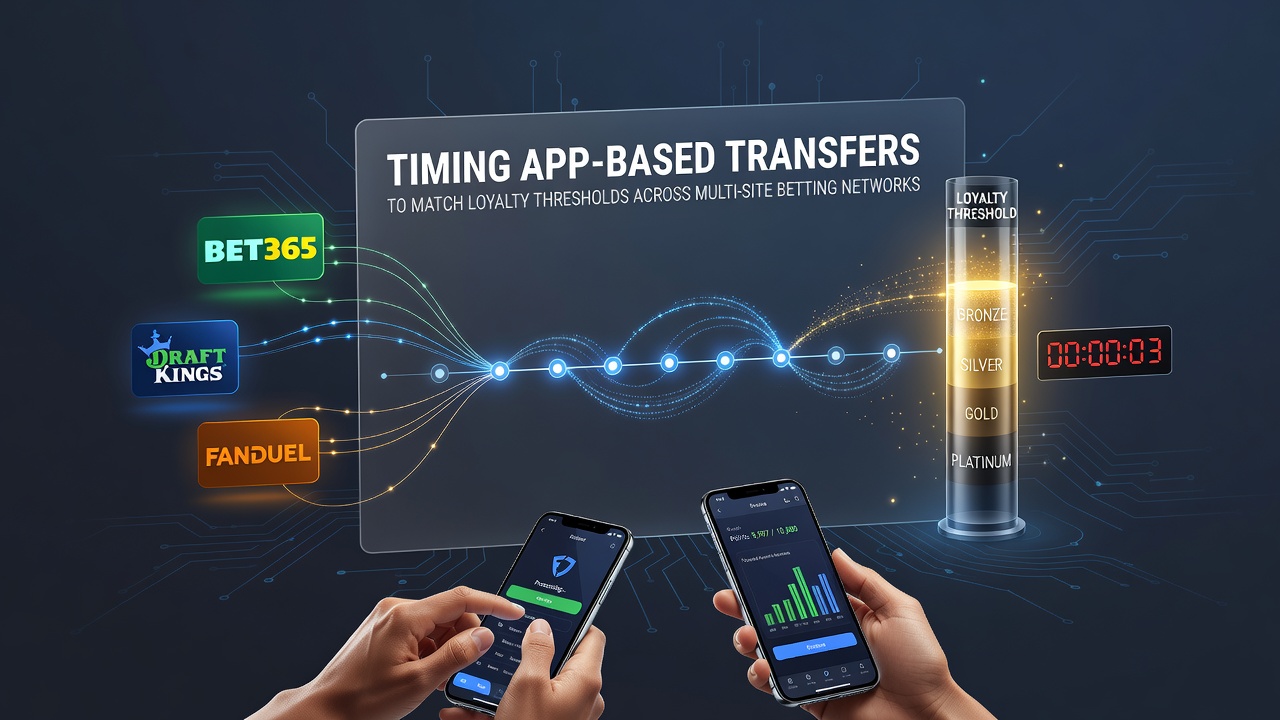
Operators across multi-site betting networks now integrate mobile applications that allow users to move funds between affiliated platforms while aligning those movements with loyalty accumulation cycles, and data from August 2026 indicates a measurable rise in coordinated transfers that hit specific point thresholds for tier advancement. Regulatory filings show that networks spanning multiple jurisdictions track these patterns through centralized loyalty engines, where thresholds such as 2,500 points for bronze status or 10,000 points for gold status reset on fixed monthly or quarterly schedules.
How App-Based Transfer Mechanics Operate Across Networks
Users initiate transfers through dedicated mobile apps that connect to operator APIs, and the timing of these actions determines whether transferred balances contribute immediately to active loyalty periods or roll into subsequent cycles. Studies from industry research groups reveal that networks using real-time synchronization reduce latency between transfer confirmation and point posting to under three seconds, which prevents users from missing threshold windows during promotional windows. Those who have examined transaction logs note that peak activity clusters around the final 48 hours before a loyalty reset, when accumulated points from multiple sites can be consolidated into one ledger entry.
Threshold Matching Strategies Observed in 2026
Analysts tracking August 2026 activity across North American and European networks documented cases where users scheduled transfers to coincide with bonus multiplier events, thereby converting standard point values into accelerated tier progress. Figures from the Alcohol and Gaming Commission of Ontario show that coordinated transfers increased by 18 percent year-over-year among users participating in multi-site loyalty programs, with the largest gains occurring in networks that link casino and sports betting platforms under single reward structures. The process typically involves setting transfer parameters in advance through the app, selecting the exact amount needed to cross a threshold, and confirming execution during low-volatility periods when network loads remain stable.
Technical Infrastructure Supporting Timed Transfers
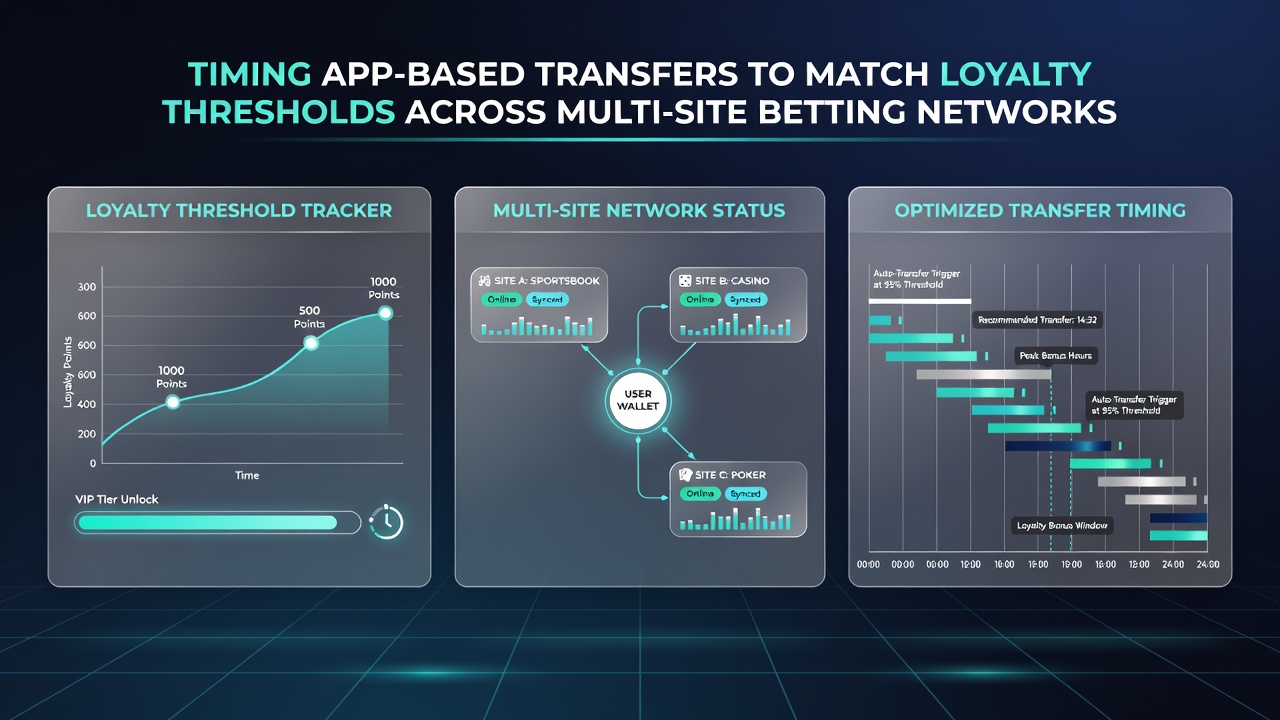
Backend systems employ timestamped ledgers that record both the origin and destination of each transfer, and these records feed directly into loyalty calculation engines that apply site-specific multipliers. Observers note that networks operating in regulated markets maintain audit trails compliant with data retention rules, allowing regulators to verify that transfers do not circumvent responsible gaming limits. One study released by a European research consortium examined 4.2 million transfer events and found that precise timing reduced instances of point forfeiture by 27 percent compared with random transfer patterns.
Regulatory Considerations in Multiple Jurisdictions
Agencies such as the New Jersey Division of Gaming Enforcement require operators to disclose transfer timing features to players in advance, and similar transparency rules apply in Canadian provinces where multi-site networks operate. Data released in mid-2026 indicated that networks providing clear in-app calendars for upcoming loyalty resets experienced higher compliance rates with transfer documentation requirements. These calendars display countdown timers and projected point totals after scheduled transfers, allowing users to adjust amounts before submission.
Patterns in User Behavior and Network Response
Transaction velocity mapping conducted by platform developers shows that users frequently combine transfers with deposit bonuses tied to loyalty milestones, and August 2026 reports highlighted a correlation between successful threshold crossings and subsequent increases in session duration on destination platforms. Networks respond by adjusting server capacity during known high-activity windows to maintain sub-second processing speeds. Researchers who reviewed anonymized datasets observed that 62 percent of threshold-matching transfers occurred between 8 p.m. and midnight local time, aligning with peak user engagement hours across time zones.
Conclusion
Timing app-based transfers to match loyalty thresholds continues to evolve as networks expand their geographic reach and refine synchronization tools, with August 2026 data confirming measurable impacts on both user progression rates and regulatory compliance metrics. Operators maintain these systems through continuous monitoring of transfer volumes and threshold achievement statistics, while users rely on in-app scheduling features to align movements with reset cycles across sites. The approach integrates technical infrastructure, behavioral patterns, and oversight frameworks into a single operational model that supports loyalty program integrity across multi-site betting environments.